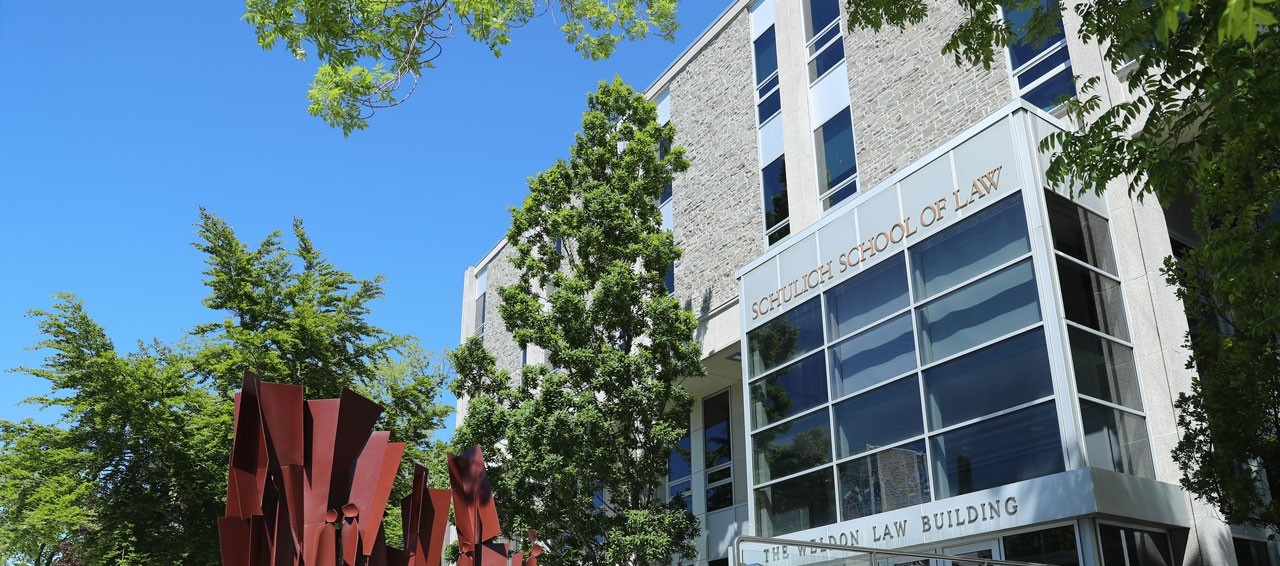





HALIFAX, NOVA SCOTIA | CANADA B3H 4R2 | +1 (902) 494-3495

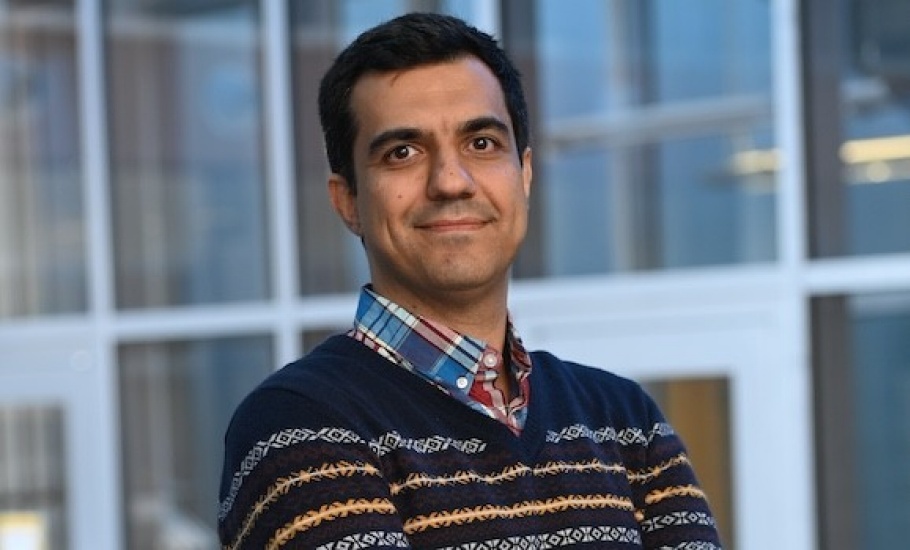
Bruce Archibald

B.A. (U.K.C.) 1970; M.A. (Dalhousie) 1971; LL.B. (Dalhousie) 1974; LL.M. (Columbia) 1975; Post-graduate studies, Paris 1, 1976.

Professor

Telephone: (902) 494-1015
E-mail: bruce.archibald@dal.ca

Biography:

Professor Archibald is a native of Nova Scotia who was educated at the
University of King’s College (B.A. Hons. Pol. Sci./Soc., 1970), Dalhousie
University (M.A. Soc. 1971; LLB 1974), Columbia University (LL.M. 1975)
and the Université de Paris I (Panthéon-Sorbonne) (post graduate study,
1976). He was admitted to the Bar of the Province of Nova Scotia in 1977
and appointed Queen’s Counsel in 2002.

He has been teaching at Dalhousie Law School since 1976 in a variety of
subject areas, including: Criminal Law, Criminal Procedure, Evidence,
Comparative Law (Civil and Criminal) and Labour Law. He was a member of the executive of the Canadian Association of Law Teachers from 1978 to 1984, and served as the organization’s President in 1982-83. Aside from sabbatical leaves overseas, he also worked for the 1990-91 year as a Crown Attorney (Appeals Branch) with the then new Nova Scotia Public Prosecution Service.

Professor Archibald has served as a consultant to the Law Reform
Commission of Canada, the Federal Department of Justice, the Nova
Scotia Department of Justice, and the Royal Commission on the Donald
Marshall Jr. Prosecution. He has regularly acted as a faculty member for
the Commonwealth Judicial Education Institute, as well as participated in
conferences of the Canadian Institute for the Administration of Justice
and the National Judicial Institute. He is currently a member of the Nova
Scotia Justice Department’s Restorative Justice Programme management  Committee. The Social Sciences and Humanities Research Council of Canada in March 2006 awarded a $1 million grant to a Community-University Research Alliance team of which Professor Archibald is a member to study theory and practice in the Nova Scotia Restorative Justice Program (see:
www.nsrj-cura.ca). 

Professor Archibald has acted as a labour arbitrator in the public and
private sectors since 1984. Since 2002 he has chaired Nova Scotia’s
Independent Tribunal for the Determination of Salary and Certain Benefits for Provincially Appointed Judges. He served as part-time Vice-Chair of the Nova Scotia Labour Relations Board from 1992 to 2011 and for several years was chair of both the Nova Scotia Correctional Facilities Employee Relations Board and N
ova Scotia Civil Service Employee Relations Board. Since these three latter boards were rolled into the comprehensive Nova Scotia Labour Board in 2011, he has been a Vice-Chair of that tribunal. He also served a five year term as part-time member of the Canada Public Service Labour Relations Board. Since 2007 he has led the Advisory Committee on Arbitration for the Nova Scotia Minister of Labour and Advanced Education.

Professor Archibald has published law reform working papers and reports, as well as articles in the areas of criminal law, criminal procedure, sentencing and evidence. He spent last sabbatical leave in various parts of the world doing research on criminal and restorative justice, labour law and globalization, as well as democratic theory and human capital investment policy.

In his other life, Professor Archibald was Chair of the Restoration Committee of St. George’s Round Church, and sang as a tenor in the choir at St. Paul’s Anglican Church, both in Halifax. He is a bluegrass banjo player and has also been seen, from time to time, sailing off the Nova Scotia coast.

Teaching subjects:

Criminal Law, Criminal Procedure, Comparative Criminal Law, Evidence, Labour Law

Selected publications:

  • Prosecuting Officers and the Administration of Criminal Justice in Nova Scotia, Royal Commission on the Donald Marshall Prosecution, Halifax, 1989;
  • Working Papers and Report for the Law Reform Commission of Canada, Arrest and Compelling Appearance, Ottawa, 1985-88;

Selected articles:

  • "The Constitutionalization of the General Part of Criminal Law" (1988) 67 Can. Bar Rev. 404-454.
  • "Crime and Punishment: The Constitutional Requirements for Sentencing Reform in Canada", (1988) 22 Revue Juridique Thèmis, 307-345.
  • "Rehabilitating the Criminal Code: Rational and Constitutional Construction of the Elements of Offences", in Josiah Wood and Richard C. Peek (eds.), 100 Years of the Criminal Code in Canada, Canadian Bar Assoc., Ottawa, 1993.
  • "The Politics of Prosecutorial Discretion: Institutional Structures and Tensions Between Punitive and Restorative Paradigms of Justice", (1988), 3 Can. Crim. L.R. 69-99.
  • "The Canadian Hearsay Revolution: Is Half a Loaf Better Than No Loaf at All?" (1999), 25 Queen's L.J. 1-64.
  • "The Uncertain 'Revolution' in the Canadian Law of Evidentiary Privilege: What Principles Take Us Where", in C.M. Breur, M.M. Kommer, J.F. Nijboer, J.M.
  • Reijntjes, (eds.) New Trends in Criminal Investigation and Evidence, Intersentia Leiden, 2000.
  • "Citizen Participation in Canadian Criminal Justice: The Emergence of 'Inclusionary Adversarial' and 'Restorative' Models", S. Coughlan and D.Russell (eds.) Citizenship and Citizen Participation in the Administration of Justice, Canadian Institute for the Administration of Justice/Les Editions Thèmis, Montreal, 2002.
  • "La justice réparatrice: conditions et fondements d’une transformation démocratique en droit penal", in M Jaccoud (ed.), La justice réparatrice et la mediation: convergences ou divergences, L’Harmattan, Paris, 2003.
  • "Co-ordinating Canada’s Restorative and Inclusionary Models of Criminal Justice: the Legal Profession and the Exercise of Discretion under a Reflexive Rule of Law"(2005) 9 Canadian Criminal Law Review 215-260

Research Interests:

General principles of criminal liability (offences, excuses, justifications); sentencing theory and practice, the structure and exercise of prosecutorial discretion; comparative criminal law; restorative justice; labour and employment regimes; human capital invsetment and community capacity building.

Courses: